Emergency Lockouts · Uxbridge
Seized & Jammed Lock Opening
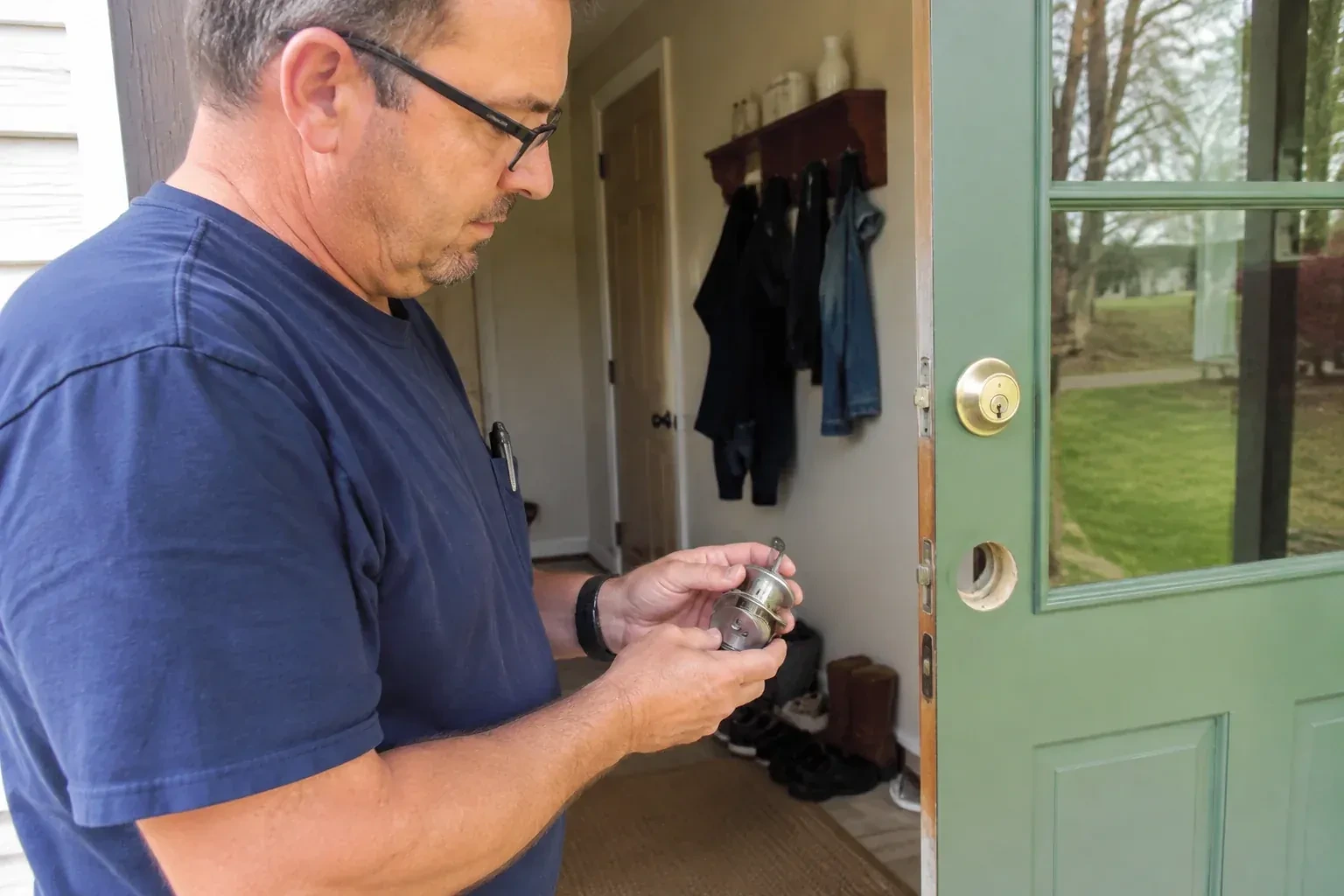
The lock works, but only if you lean on the door with your hip while turning the key. After a week of humid weather the bolt is jammed against the strike plate, and without that push the key stops halfway.
Call now · open 24/7(289) 212-7829In plain words
A lock rarely seizes without warning. It asks for a wiggle, then a firmer wiggle, then it needs the door pulled toward you, and one morning it stops. Seized and jammed lock opening deals with that morning, but the same visit deals with the months before it. The locksmith explains why this lock jammed, whether it was grit, weather, a worn key or a door that moved, and leaves you with a lubrication routine, a fresh key cut from code rather than from a tired copy, and a door that closes without a shove. The point is a lock that turns with two fingers and keeps doing so.
How the visit goesYou are inside, the deadbolt is thrown, and the thumb-turn will not budge. It moved a little last week with some effort. Now the door you walk through every day is a wall, and you need it open.
Seized & Jammed Lock Opening · Uxbridge
How the visit goes
- 1
Strike plate, bolt pocket and seal
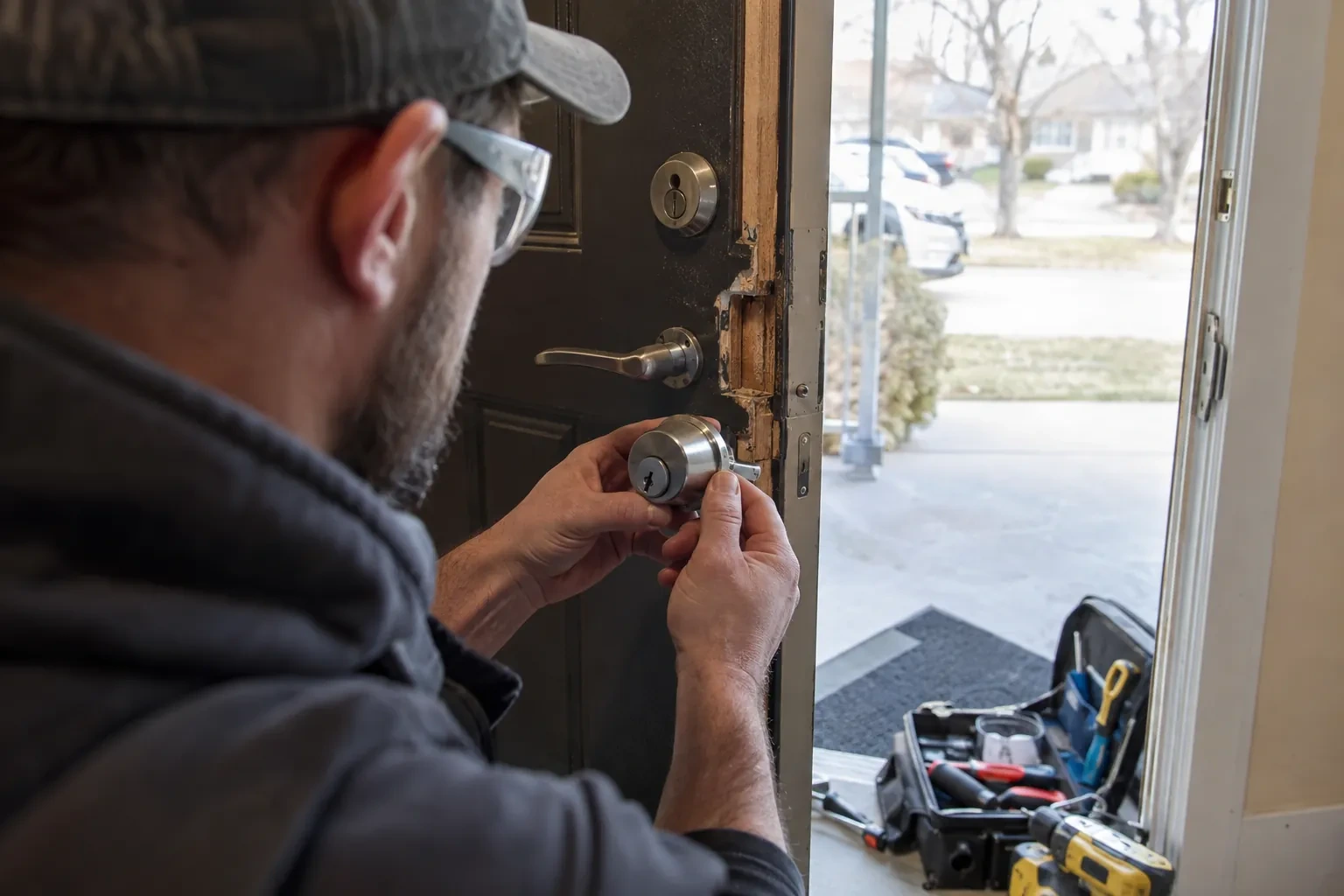
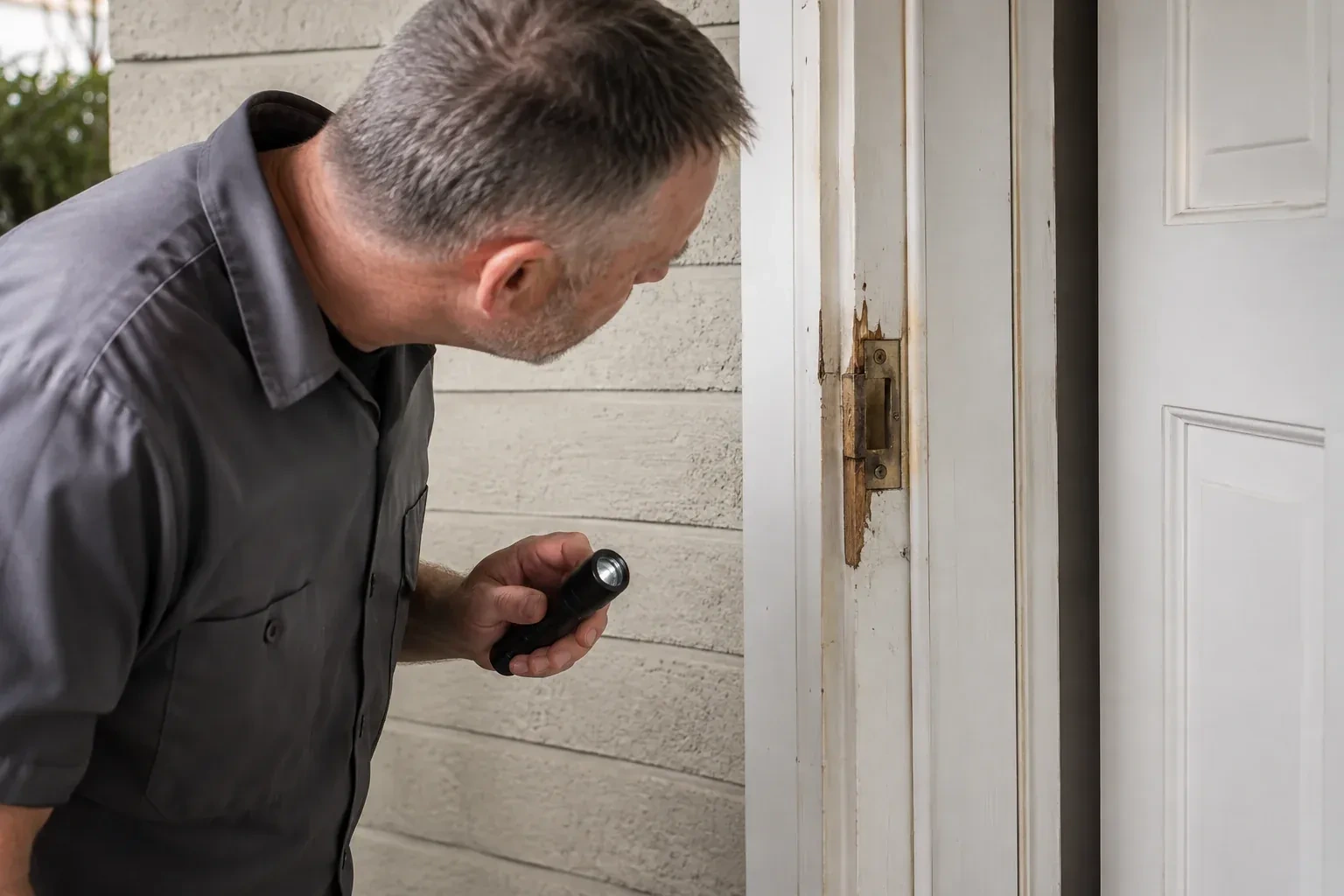
The frame side gets as much attention as the door side. The locksmith looks at where the bolt meets the strike plate: scuff marks on the plate's edge, a bolt pocket shallower than the roughly twenty-five millimetres a deadbolt needs, paint or filler that has crept into the pocket, and weatherstripping thick enough to hold the door proud of the frame. A dab of chalk on the bolt end shows exactly where it lands. These findings explain a lock that works with the door open and jams when it is shut, and they point to a chisel, a screwdriver and a strike adjustment rather than to anything inside the cylinder.
- 2
Opening when the tailpiece has failed
A key that spins freely means the cylinder is fine and the bar behind it, the tailpiece or cam, has broken, slipped or twisted out of engagement. The bolt is then retracted directly through the mechanism rather than through the cylinder, or the cylinder is withdrawn so the locksmith can reach the bolt drive. Once the door is open the old tailpiece is removed and a replacement of the correct length and profile is fitted, since one that is too short repeats the fault and one that is too long binds. The cylinder goes back, the retaining screws are checked, and the bolt is thrown and retracted with the key until it moves cleanly through its full travel.
- 3
Keeping the cylinder clean and dry
A serviced cylinder stays that way with very little effort. At the interval and with the product that cylinder's maker specifies, a short burst of lock lubricant into the keyway followed by a few turns of the key is enough; stay with that one product, since mixing lubricants makes a paste. Household oils, penetrating sprays and silicone meant for hinges belong nowhere near the pins, because they thicken and attract grit. Wipe the key before it goes in on a muddy or salty day. If the lock ever starts to drag, a puff of lubricant is the first response, and a call is the second.
In the van
- Key blanks and code cutter
- Replacement cylinder
- Long hinge screws
- Cylinder springs, pins and cap
- Dry PTFE or graphite lock lubricant
What affects the quote
- 1
The drive to you
Driving time is part of every call, and a property at the end of a long rural road is a different trip from one a few streets over.
- 2
Keying a new cylinder to your existing key
Pinning a replacement cylinder to the key already on your ring, or rekeying other doors to match a new key, is extra work per cylinder and simplest to do in the same visit.
- 3
Which part is jammed
A bolt pinned by the door, a cylinder clogged with grit and a broken tailpiece are three different jobs with three different amounts of work, and the quote follows the diagnosis rather than the symptom.
Same fees day, night or weekend.
Seized & Jammed Lock Opening: questions
My key turns all the way round but the bolt stays put. What has broken?
The key and cylinder are doing their job; the bar behind the cylinder that drives the bolt, called the tailpiece or cam, has broken, slipped or twisted out of engagement. It is a small part. The locksmith retracts the bolt through the mechanism or removes the cylinder to reach it, then fits a tailpiece of the right length and profile. Your cylinder and keys are unchanged afterwards.
Is a key stuck in the lock the same problem as a jammed lock?
They are close relatives. A key that will not come out is usually a plug that has not returned to its neutral position with the shell, a cylinder cap that has loosened, debris in the keyway, or a cylinder that is pinned incorrectly; some cylinders are also designed to hold the key until the plug is returned. The locksmith frees the key first, without pulling, then treats the cause the same way as any seized cylinder.
How can I tell whether the lock or the door is the problem?
Try the key while gently pushing, pulling and lifting the door. If it frees up in one position, the bolt is being pinched by the frame and the door is the cause. If nothing changes, look at the key: does it go fully in and refuse to turn, or spin freely? The first points to the cylinder, the second to the tailpiece behind it. Tell the locksmith which you found and the right parts come in the van.
Lockout Services
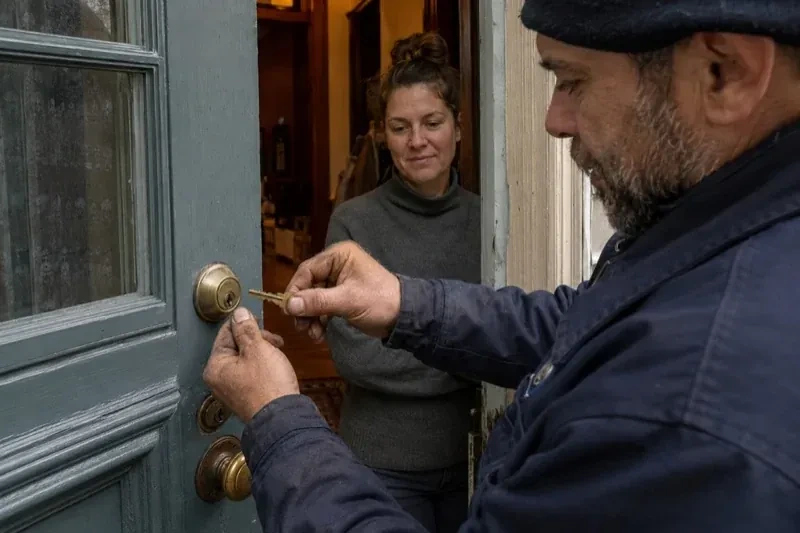 EmergencyHome Lockout ServiceYou reached the front step with the groceries, patted every pocket twice, and the house key is simply not there.
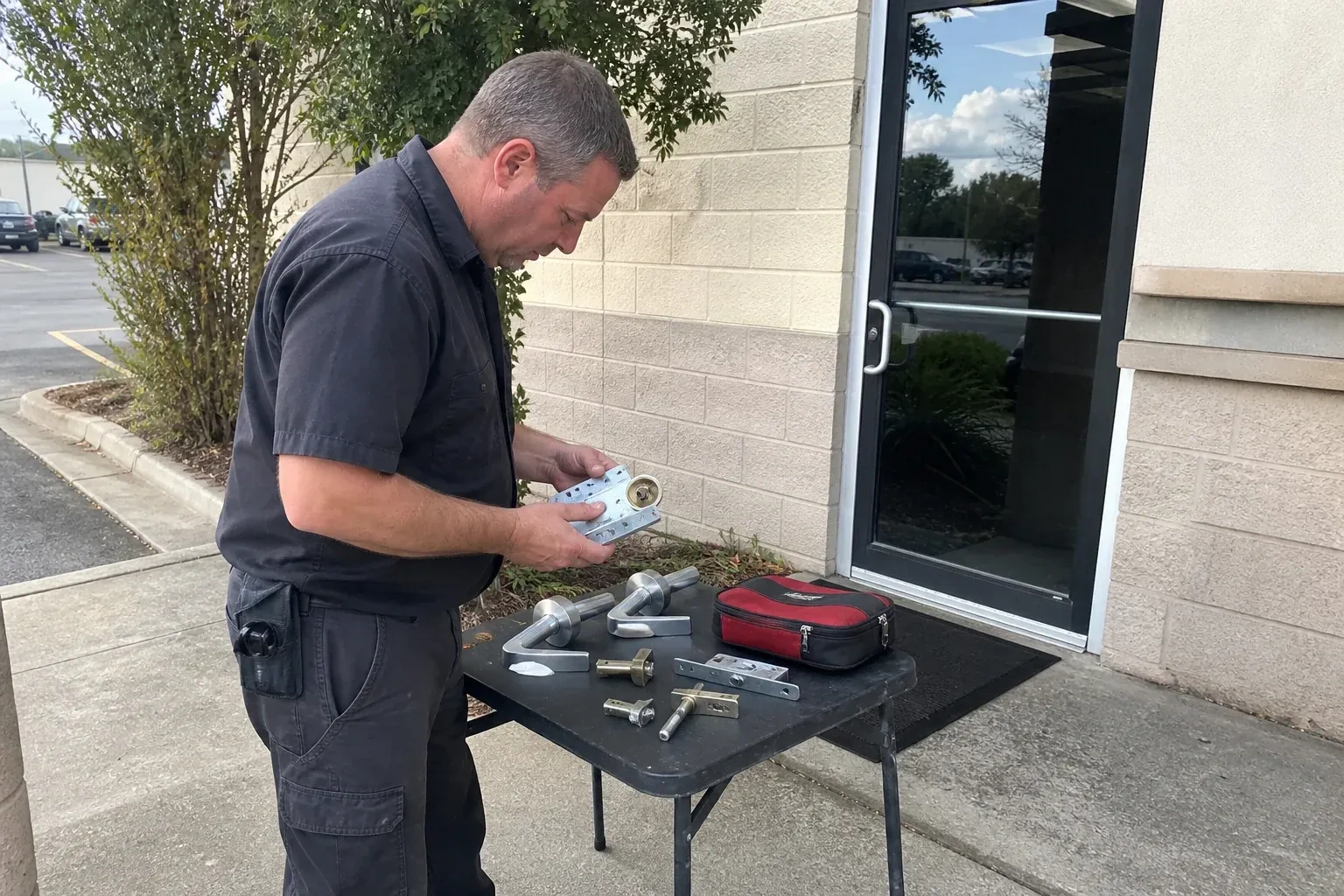 EmergencyBusiness Lockout ServiceA cook stepped into the alley with the recycling and the rear door swung shut behind him.
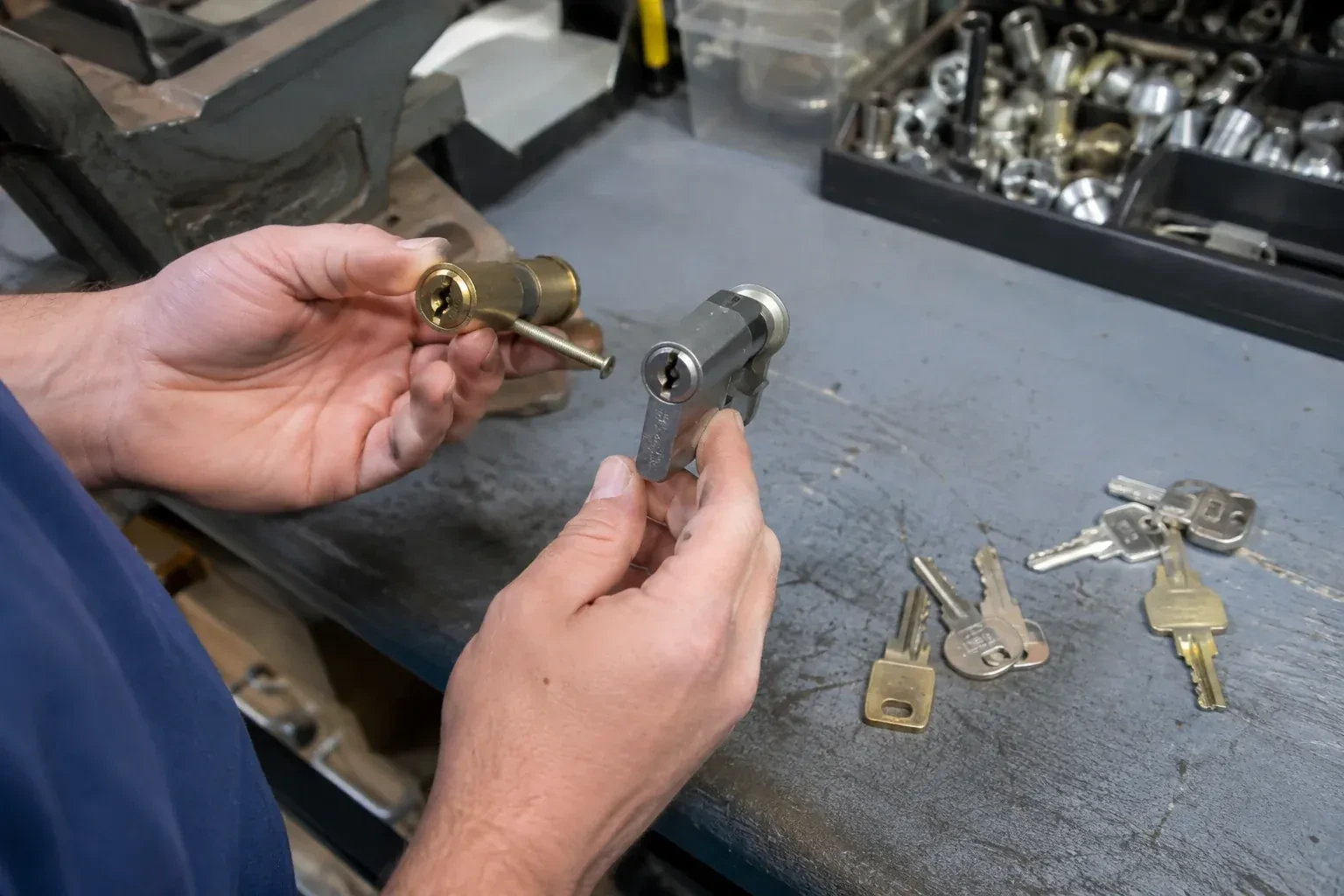 EmergencyBroken Key ExtractionThe apartment key snapped mid-turn, leaving the cylinder twisted halfway between locked and open.
 EmergencyBreak-In Damage Lock RepairSomeone smashed the little window beside the door, reached in and turned the thumb-turn.
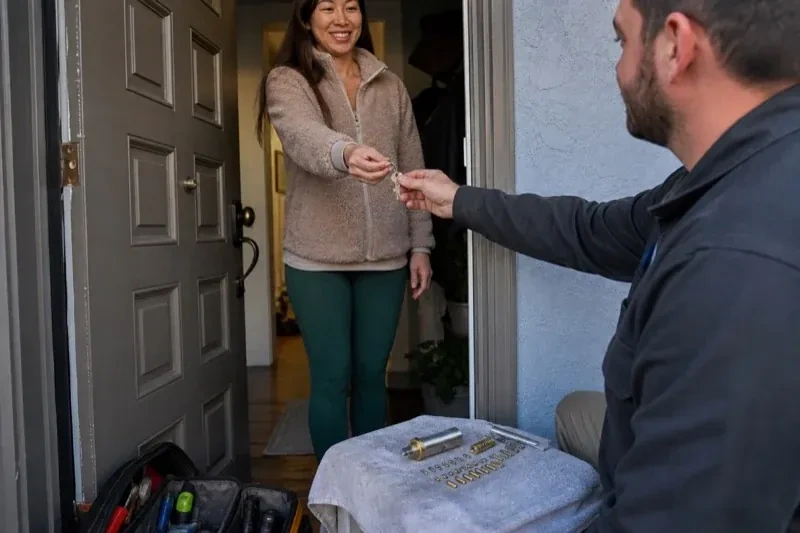 EmergencyLost Keys — Same-Visit RekeyYour purse was taken from the back of a chair at a restaurant.
Durham, Ontario
Uxbridge information
- Town
- Uxbridge, Durham, Ontario
- In business
- 13 years
- Hours
- Open 24/7 · nights, weekends and holidays, same fees
- Phone
- (289) 212-7829
- Visits
- On-site assessment preferred. Request a visit or call.
What the census means at the door
42%
Homes of every age. About 42% of homes in Uxbridge were built in 1980 or earlier, according to the 2021 Census.
In an area where homes span several eras, one street may have original mortise locks and the next builder-grade cylinders. A locksmith working here carries parts for both, so whichever door he meets, the job finishes in one visit.
81%
Mostly houses. Single-detached houses make up about 81% of homes in Uxbridge (2021 Census).
In areas of single houses, the door nobody watches is the side or back entry. It often has the weakest lock on the property. Fitting a proper deadbolt and a reinforced strike there is a modest job that closes the obvious gap.
Open 24/7
Request a visit
The lock works, but only if you lean on the door with your hip while turning the key.
Call now · open 24/7(289) 212-7829- On-site assessment preferred
- Same fees day, night or weekend
- 13 years in business